

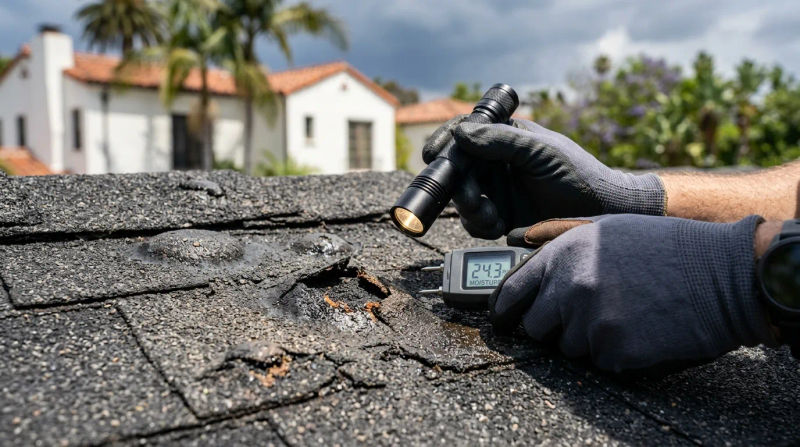
As a roofing supervisor with over 15 years of experience here in the Northport area, I’ve spent countless hours on rooftops under the intense Alabama sun. You start to notice patterns. One of the most common - and commonly misunderstood - issues I see, especially during the sweltering heat of July, is shingle blistering. A homeowner might be out doing yard work and glance up at their roof, noticing that some shingles look like they have small bubbles or pimples rising from the surface. It’s easy to dismiss this as normal wear and tear, but these seemingly small imperfections can be a critical warning sign.
With our hot-humid July weather, the daily cycle of intense sun followed by afternoon thunderstorms creates a pressure cooker environment for your roof. This rapid heating and cooling, combined with trapped moisture, can cause these blisters to appear and worsen quickly. What might look like a minor cosmetic issue today can become a significant point of failure when a major tropical system moves through. Understanding what you’re seeing is the first step in protecting your home.
Common Signs and Symptoms
Identifying shingle blistering early is key to preventing more extensive damage. From the ground, it can be tough to distinguish from other types of roof wear. However, our trained crews know exactly what to look for during an inspection. Here are some of the key signs that indicate a problem is developing.
- Visible Bubbles or “Pimples”: This is the most direct sign. You’ll see raised bumps on the surface of your shingles. These are not random; they are pockets of gas or trapped moisture that have expanded under the heat, pushing the shingle's surface outward. They can range in size from a dime to a quarter.
- Popped Blisters and Craters: Over time, these bubbles can burst, leaving behind a small crater or pockmark on the shingle. When a blister pops, it exposes the underlying asphalt mat to direct UV radiation and water, which rapidly accelerates the shingle’s deterioration.
- Accelerated Asphalt Granule Loss: One of the most telling asphalt granule loss signs is finding an excessive amount of granules in your gutters or at the base of your downspouts. While all shingles shed some granules over their lifespan, blistering pushes them off prematurely. The bubble lifts the granules, and when it pops, they are washed away, leaving the shingle vulnerable.
- A “Pockmarked” or Patchy Appearance: From a distance, a roof with widespread blistering might not show individual bubbles. Instead, it will have a generally worn, uneven, or pockmarked look. This is especially true on the sides of the roof that receive the most direct sunlight throughout the day.
- Dark or Stained Patches: Popped blisters create small divots that can trap moisture and debris. This can lead to the growth of algae or mold, which often present as dark streaks or discolored patches on your roof.
- Spongy or Soft Shingle Texture: On a hot day, a blistered shingle can feel soft or spongy to the touch. This indicates that the layers of the shingle are beginning to delaminate and lose their structural integrity.
- Localized Failure: You may notice blistering is concentrated in specific areas. This often points to an underlying issue, like a hot spot caused by poor attic ventilation directly below that section of the roof.
What Causes This Problem
Understanding the root cause of roof blister bubbles humid climate conditions create is crucial because it informs the correct solution. Blistering is not a sign of old age; it’s a sign of a defect, often accelerated by environmental factors.
1. Manufacturing Defects: The primary cause of shingle blistering is moisture trapped within the shingle during the manufacturing process. Asphalt shingles are made of several layers. If even a tiny amount of moisture is caught between these layers at the factory, it will remain dormant until the shingle is installed on a roof. Once exposed to the sun's heat, that trapped water turns into a gas (water vapor), expands, and forms a blister.
2. Inadequate Attic Ventilation: This is arguably the biggest contributor to blistering here in Alabama. Your attic can reach temperatures of 150°F or more during a July afternoon. If your attic isn't properly ventilated, that superheated air has nowhere to go and essentially “cooks” the shingles from the underside. This intense, prolonged heat dramatically accelerates the process of any trapped moisture turning into blisters. Many older homes, such as the classic 1950s Ranch-style houses found in neighborhoods like Jasper, were often built with ventilation systems that don't meet modern standards. Their low-slung roof profiles can sometimes make achieving effective airflow more complex, making a professional ventilation assessment critical.
3. Shingle Overheating: Dark-colored shingles absorb more heat, making them more susceptible to blistering if a manufacturing defect is present. When combined with poor ventilation, a dark roof in a full-sun location creates the perfect storm for widespread blistering and potential Northport AL shingle failure.
It's important to distinguish blistering from hail damage. Hail impacts are random and create a dent into the shingle, often with a visible pattern of granule loss around the impact site. Blisters, on the other hand, are raised bubbles pushing out from within the shingle itself.
When to Call a Professional
Once you’ve identified potential shingle blistering, the next question is what to do about it. This is one area where a DIY approach is strongly discouraged.
Attempting to press down, pop, or seal blisters yourself will almost certainly do more harm than good. You can easily fracture the shingle, void any potential manufacturer warranty, and create an immediate leak path. Furthermore, walking on a hot, blistered roof is unsafe; the shingles are structurally compromised and can be very slippery.
This is the point where an inspection by an experienced professional is necessary. When our technicians evaluate a roof for blistering, we follow a standardized process to diagnose the full scope of the issue:
- Assess the Extent: We determine if the blistering is isolated to a few shingles or is a widespread issue across the entire roof. Widespread blistering almost always indicates a batch-wide manufacturing defect.
- Evaluate the Blister Condition: Are the blisters intact or have they popped? Popped blisters are a much more urgent problem, as the protective granule layer is gone.
- Inspect Attic Ventilation: We will always check the attic to evaluate the intake and exhaust ventilation. A lack of proper airflow is a major red flag and must be addressed as part of any long-term solution.
- Determine the Correct Action: For widespread blistering, especially when blisters have begun to pop, a full roof replacement is typically the only reliable solution. Simply patching a few areas is a temporary fix, as other shingles from the same defective batch will inevitably fail soon after. A replacement ensures you have a consistent, properly installed roofing system with corrected ventilation, ready to withstand the upcoming hurricane season.
Conclusion
Shingle blistering is more than just a cosmetic flaw; it is a clear indicator of premature shingle failure. Those small bubbles represent a weakness in your home’s primary line of defense against the elements. Driven by Northport’s intense summer heat and humidity, this problem can escalate quickly, turning a manageable issue into a significant risk for leaks and structural damage, especially with an active storm season on the horizon.
Don't mistake these signs for normal aging. Pay attention to your roof, look for those tell-tale bubbles and excessive granule loss, and be proactive. Acting early to get a professional diagnosis can save you from much larger, more expensive problems down the road and give you peace of mind that your home is secure.
If you notice any of these signs, contact a local roofing professional for an inspection.