

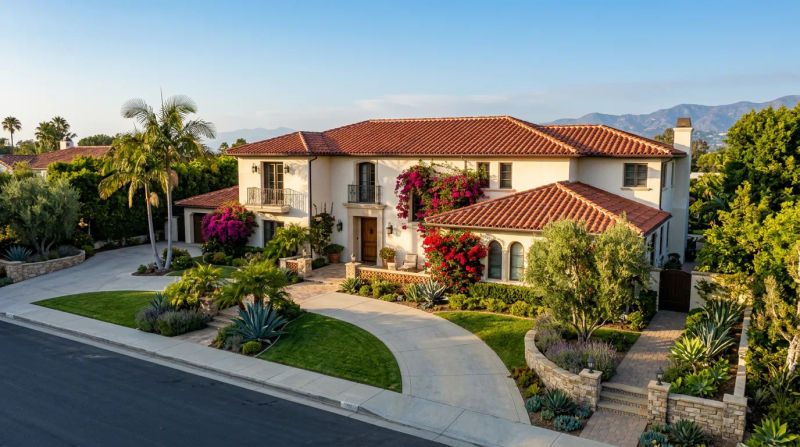
As a Senior Project Supervisor for McDonald demolition, I’ve been on hundreds of rooftops across Southern California. But some jobs stick with you, not because they are the largest, but because they highlight a hidden danger many homeowners overlook. This was exactly the case with a recent project in Beverly Hills this August, right in the thick of fire season.
The call came from a homeowner who, like many in the area, was living under the unsettling gray haze of distant wildfires. While their property was thankfully out of the direct path of the flames, the evidence of the fire was settling all over their beautiful Spanish tile roof. A fine layer of ash and soot coated everything, turning their vibrant terracotta tiles into a dull, depressing gray. The homeowner was rightly concerned. They knew this wasn't just a cosmetic issue and wanted a professional assessment before a small problem became a major one. They called McDonald demolition because they were looking for a team with proven experience in handling the unique challenges of post-fire cleanup.
The Assessment
When my team and I arrived on site, the situation was exactly as the homeowner described, but the real risks were invisible from the ground. This is where a professional post wildfire roof inspection case study truly begins - not with what you can see, but with what you can't. From the street, it looked like the roof just needed a good wash. But once we were up on the roof, our specialized training and years of experience allowed us to see the deeper threat.
Ash is not just dust. It’s a complex, abrasive, and often acidic particulate. Here in Beverly Hills, the problem is compounded by our coastal climate. Overnight, the marine layer rolls in, bringing moisture that mixes with the settled ash. This creates a gritty, corrosive slurry. We found this slurry was pooling in the roof's valleys and, more critically, seeping into the interlocking channels of the clay tiles.
During our detailed inspection, we documented several key issues:
- Heavy Ash Accumulation: The low-slope sections and valleys of the roof had collected a significant amount of ash, creating small dams that could impede water flow during the next rain.
- Corrosive Residue: We could feel the gritty texture of the ash-and-moisture slurry. We knew from experience that if left untreated, this substance would slowly etch away at the tile's protective glaze, accelerating its deterioration and making it more porous.
- Hidden Debris: The ash was concealing underlying debris and also beginning to clog the small weep holes at the base of the tiles, which are designed to let trapped moisture escape.
- Potential for Underlayment Damage: The biggest risk was that this abrasive slurry could work its way under the tiles and begin to wear down the underlayment - the roof's primary water barrier. A compromised underlayment is the start of a catastrophic roof failure.
We carefully photographed all our findings, providing the homeowner with a clear, visual report of the situation. It was clear that a simple power washing wouldn't solve the problem; it might even make it worse by forcing water and abrasive particles underneath the tiles. This job required the methodical approach of a McDonald demolition roof restoration Beverly Hills service.
Our Solution
With the homeowner's approval, our 5-person McDonald demolition crew scheduled the work to begin immediately. Our plan was multi-phased, designed not just to clean the roof, but to repair and fortify it against future environmental stress.
Phase 1: Controlled Ash and Residue Removal
First, we focused on the Beverly Hills tile roof smoke residue repair. We never use high-pressure washing on tile roofs, as it can easily crack tiles and destroy the underlayment. Instead, we employed a controlled, soft-wash technique. This involved:
- Applying a pH-neutral cleaning solution designed to break down the bond between the ash and the tile surface without harming the material.
- Using soft-bristle brushes on extension poles to gently agitate the slurry in the valleys and from between the tile courses.
- Rinsing the roof with a high-volume, low-pressure stream of water, carefully directing the runoff into the gutters, which we had protected to capture the debris.
This meticulous process safely lifted and removed years of grime and, most importantly, all the recent ash deposits.
Phase 2: Detailed Repair and Fortification
Once the roof was perfectly clean, we performed a second, more intensive inspection. With the ash gone, we identified a few tiles that had shifted over time and several areas where the mortar had developed hairline cracks - issues previously hidden by the soot. This is a critical step in any ash damage roof repair.
Our crew then systematically addressed these issues. We carefully lifted the affected tiles, inspected the underlayment beneath them to ensure it was still sound, and then re-set the tiles with fresh, durable mortar. We paid special attention to the ridge caps and flashings around vents and chimneys. We sealed these vulnerable points to reduce pathways for wind-blown embers, an essential fire-hardening measure that gives homeowners critical peace of mind.
The entire project, from initial setup to final cleanup, was completed by our efficient McDonald demolition crew in just three days. We pride ourselves on our organized workflow and standardized processes, which minimize disruption for the homeowner.
The Results
The transformation was stunning. The most immediate result was visual: the roof's original, rich terracotta color was restored. It looked vibrant and healthy, dramatically improving the home's curb appeal. But the most important results were functional.
- Restored Water Flow: All valleys and drainage channels were completely clear, ensuring that rainwater would flow off the roof as intended, protecting the home from water intrusion.
- Enhanced Durability: By removing the corrosive ash slurry, we halted the accelerated aging process of the tiles. The targeted tile and mortar repairs addressed existing weak points, strengthening the entire roofing system.
- Improved Fire Resistance: By sealing potential ember entry points, we made the roof more resilient in the face of future wildfire threats. The homeowner received an 'evacuation-ready' roof checklist from us, detailing the work done and providing guidance for future preparedness.
- Long-Term Value: This proactive project saved the homeowner from what would have inevitably become a much more expensive repair down the road. By investing in a proper cleaning and targeted restoration with McDonald demolition, they protected their primary asset and avoided a potential re-roofing scenario.
The homeowner was thrilled, not just with the beautiful outcome, but with the professionalism and thoroughness of our team. They told me they could finally relax, knowing their roof wasn't just clean, but truly secure.
This project is a perfect example of why you can't ignore what settles on your roof after a fire. What looks like a simple cleaning job is often a warning sign of deeper issues. Taking a proactive approach with a qualified team is the best way to protect your investment.
Ready for your own McDonald demolition experience? Contact us today for a free inspection.